
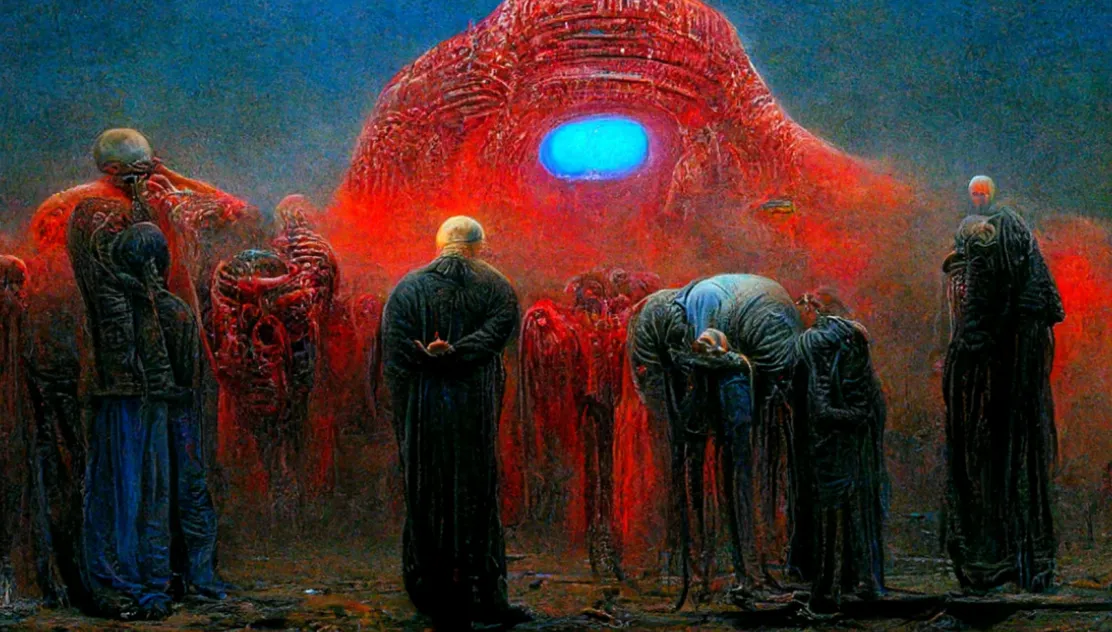
Art has always been a reflection of humanity’s creativity, emotions, and self-expression. Its forms have evolved with culture, technology, and time. From cave drawings to oil paintings to digital illustrations, each progression in art emerges from the tools and methods artists adopt. Among the most recent shifts is the rise of AI art generation, a technology that has made it possible for software to create intricate images based on algorithms. This development poses a fascinating question—how does AI-generated art compare to traditional art? And more importantly, which one holds greater value in the modern art landscape?
This article takes a closer look at the strengths, weaknesses, and overall impact of AI art generators and traditional art to help you understand how these two spheres are shaping the creative world.
The Rise of AI Art Generators
AI art generators work by using machine learning algorithms to analyze vast amounts of visual data. They identify patterns, styles, and relationships between elements in art, allowing them to produce highly detailed images that can mimic anything from realistic paintings to abstract designs. These tools often afford users unprecedented creative flexibility, even if they lack traditional artistic training.
One prominent example of this technology is the ai image generator, an advanced tool that simplifies the creative process. Users simply input prompts, choose styles, and can watch as the system generates professional-quality artwork. With platforms like this readily available, anyone with an idea can bring a vision to life at the click of a button.
Strengths of AI Art Generators
Accessibility and Speed
One of the most significant advantages of AI art generators is accessibility. Traditionally, becoming proficient in art requires years of skill development, practice, and education. With AI tools, the barriers to entry are dramatically reduced. Users no longer need formal artistic training or expensive tools to create something visually stunning. Entire art pieces can be created within minutes, offering unprecedented speed and efficiency.
Infinite Possibilities
AI offers creative possibilities beyond what many human artists can imagine. By analyzing thousands of artistic styles, the technology can generate an array of unique outputs that often challenge conventional artistic boundaries. For example, users can combine surrealism with photorealism or create art inspired by styles from different cultures and eras.
Cost-Effectiveness
Hiring a professional artist or acquiring traditional media and tools for physical art can be expensive. By contrast, AI art generation is a cost-effective option that allows for art creation without significant financial investment. Startups, hobbyists, and small businesses particularly benefit from AI’s ability to produce affordable artwork for branding, marketing, and other purposes.
Democratization of Art
AI tools are democratizing art by making it more inclusive. Individuals who previously lacked the technical skills to create professional-grade work can now explore their creativity. This development represents a shift in how society perceives art—not as something that requires exclusive talent, but as something everyone can participate in.
Challenges of AI Art Generators
Despite their benefits, AI art generators are not without their limitations.
Lack of Emotional Connection
Art has often been heralded as a medium for expressing the human experience. Whether it is the joy, despair, or introspection of the artist, traditional art often carries an emotional weight that stems from the person who created it. By contrast, AI-generated images are produced without emotions or personal experience. This lack of human touch may render them less impactful in the eyes of some viewers.
Ethical Concerns
AI art generators frequently come under fire for copyright controversies. Many algorithms are trained on existing art without the original artists’ consent, raising questions about ownership and intellectual property rights. Furthermore, the ease with which AI can reproduce certain styles or mimic specific artists can dilute recognition for original creators.
Limited Depth of Creativity
While AI can mimic creativity, it does not originate ideas in the way humans do. Technology relies on existing data, meaning its “creativity” is often restricted to combinations and reinterpretations of what already exists. This limitation can make AI art appear derivative rather than innovative.
Overreliance on Algorithms
Users of AI tools often input descriptive prompts to guide the creation process. However, the results can heavily depend on the sophistication of the software and the effectiveness of the instructions. This reliance limits flexibility and may lead to outputs that don’t fully align with the user’s vision.
What Makes Traditional Art Unmatched?
Traditional art has endured for centuries, deeply rooted in human culture and history. Whether an artist spends months perfecting a portrait or develops a unique brush stroke, traditional mediums come with qualities that are hard to replicate.
Authenticity and Human Expression
Traditional art carries the auteur’s story—each brushstroke, pencil line, or chisel mark speaks volumes about the person who made it. This human presence imbues the artwork with emotional resonance that AI tools cannot replicate. A painting or sculpture often reveals the artist’s vulnerability, passion, or thought process, something uniquely human.
Mastery and Skill
Mastering traditional forms of art requires years of dedication. The craft behind a hand-drawn sketch or an oil painting is as much a part of their value as the finished piece. The skill and mastery involved often command admiration and respect from viewers, elevating traditional art’s status within society.
Tangibility and Permanence
A significant feature of traditional art is its physical presence. A physical painting or sculpture exists in the tangible world, offering texture, weight, and depth to viewers. This permanence makes traditional artworks prized as collectors’ items, capable of being passed down through generations.
Unpredictability and Uniqueness
Every traditional artwork is unique. Even when two artists attempt to mimic each other’s style, the minute details and imperfections in their techniques create distinctions that set their works apart. This unpredictability is particularly special compared to AI-generated art, which can easily replicate a similar output multiple times.
The Middle Ground?
Does one form of art have to “win” over the other? Increasingly, artists and technologists are exploring synergies between AI and traditional methods. Many traditional artists use AI to enhance their creative processes rather than replace them. For example, an artist might use AI to draft complex visual concepts and later refine or reinterpret them using physical mediums.
Furthermore, AI can serve as an educational tool, helping aspiring artists understand styles and techniques. This collaboration allows for producing art that combines the best of both worlds—speed and accessibility from AI, and human insight from traditional skills.
AI and Traditional Art in Different Industries
Both AI art generators and traditional art are carving niches across industries. AI tools are frequently utilized in marketing, game design, and movie production because they speed up the creation process. Traditional art, on the other hand, remains a staple in fine art galleries, cultural preservation, and luxury goods where authenticity is key.
For businesses, the key lies in understanding how to balance these options. If the goal is efficiency or large-scale visual production on a budget, AI tools might be the answer. On the other hand, projects that demand highly personal or exclusive work could benefit more from traditional avenues.
The Future of Art Creation
AI art generators will undoubtedly continue to evolve, becoming more sophisticated in mimicking creativity and innovating within the rules of art. At the same time, traditional art’s rich cultural heritage ensures it will never be obsolete. Instead of seeing AI and traditional art as adversaries, we might consider them complementary forces shaping the art world’s future.
Ultimately, neither form diminishes the value of the other. While AI tools emphasize speed, accessibility, and democratization, traditional art revels in authenticity, emotion, and mastery. The choice between the two will often depend on the purpose, audience, and context in which the art will be consumed.
Art is, at its core, about expression and connection. Whether rendered by brush or by algorithm, what matters most is how it resonates with us. Modern creativity has room for both AI art generators and traditional artisans—a union that promises endless possibilities for art’s future.

