

An estimated 80 percent of people in America make at least one trip to a pharmacy each year. For many people, visiting the pharmacy to get their medications is a routine event. Pharmacies are far more than just places where people pick up their prescriptions, though. They also provide essential support, advice, and patient education. They play crucial roles in ensuring patients’ medications are safe for them as well. Many pharmacies take matters even further by providing health screenings, immunizations, and other medical services.
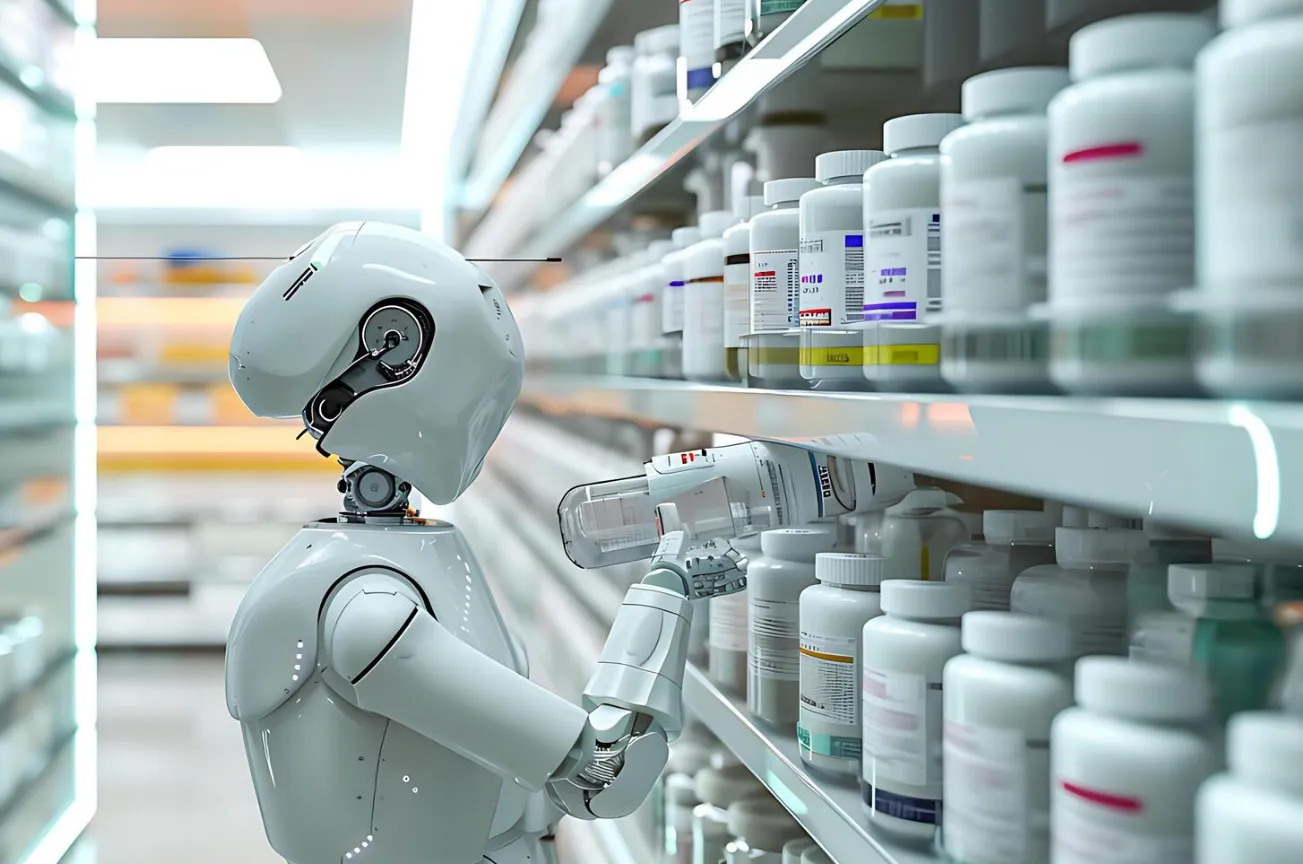
Over time, the way pharmacies operate has evolved. Technological advancements have helped them to fill prescriptions faster, reduced the risks of medication errors, and enabled them to keep track of their inventories more effectively. At this point, artificial intelligence is bringing even more changes to the mix. It’s greatly improving their speed, accuracy, and efficiency along with many other aspects. Take a look at some of the ways AI is reshaping the pharmacy landscape.
Speeding Up Pill Counting
Pill counting is a never-ending task for pharmacists and pharmacy technicians. It needs to be done as quickly as possible without sacrificing accuracy. It’s difficult to find a balance. Traditionally, counting pills is done manually or with basic counting machines, but that’s changing. AI pill counting technology is now available. It uses advanced cameras and software to identify pills by size, shape, and color while also counting them. It saves time while also reducing human error.
Improving Prescription Accuracy
One of pharmacies’ most important responsibilities is ensuring patients get the right medications in the proper doses. AI systems are helping with that as well. They can analyze prescriptions faster than humans, and they’re more capable of deciphering nearly illegible handwriting and spotting potential mistakes. They can quickly and effectively cross-check for drug interactions, check patients’ records for medication allergies, and confirm dosage instructions to name a few of their uses. In covering those factors, they can reduce the risks of mistakes and oversights and prevent their potential consequences.
More Effective Inventory Management
Additionally, AI technology can make inventory management much more efficient for pharmacies. Running a pharmacy means keeping track of a vast range of medications and ensuring the right amounts of them are in stock. That’s no easy feat.
AI programs make it simpler. They can monitor inventory levels and reorder medications when needed. Furthermore, they can predict spikes and drops in the demand for certain medications based on seasonal illnesses, local health trends, and other factors. With that being the case, they can prevent shortages, reduce waste, and ensure patients are able to get the medications they need when they need them.
Personalized Patient Support
Pharmacy tools that are powered by artificial intelligence can also provide personalized patient support. Virtual assistants can answer basic questions for patients, remind them to refill their prescriptions, give them information on new medications, and provide many other services. If necessary, they can connect patients to human pharmacy employees for further assistance. They can give patients added reassurance, clear up confusion, and possibly keep people from making dangerous mistakes with their medications.
Looking to the Future
Artificial intelligence has only recently entered the pharmacy landscape, but it’s already having a significant positive impact. It’s making routine tasks faster and more accurate while reducing potentially dangerous errors. It’s also giving pharmacists more time to provide the help and support patients need. Though AI isn’t replacing human pharmacists and technicians, it’s certainly a helpful tool for them to use. No doubt, its role in pharmacies will continue to grow moving forward.

