

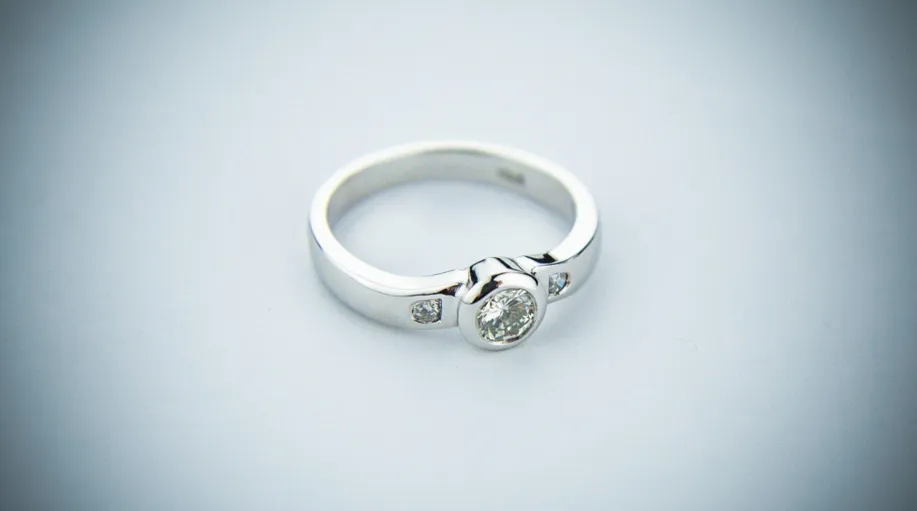
An engagement ring represents a promise and a future shared between two people. It holds emotional value and becomes a part of daily life. Choosing one takes careful thought because it reflects personal taste and meaning.
Many people look for something that feels special and lasting. The ring should match the wearer’s style and be comfortable. This decision benefits from patience and awareness of various features.
Learn the key factors to consider when choosing an engagement ring to help guide the selection process and move into the details below.
Understanding Ring Styles
Ring styles differ in shapes, settings, and overall appearance. Some people prefer a classic and simple design. Others like something detailed with unique elements.
The style should match the personality of the wearer. It helps to observe the jewelry they already wear. This gives clues about their taste. Focus on whether they like modern or traditional looks.
Keep in mind that trends shift, but personal style remains. Choosing a style that feels natural ensures lasting appreciation.
Choosing the Right Metal
Ring metals vary in color, durability, and feel. Common choices include gold, silver, and platinum. Each metal has its own look and level of strength. Consider how the metal will age over time. Some metals scratch more easily than others.
Skin tone can also play a role in how the color appears when worn. Think about the wearer’s lifestyle and daily activities. A more durable metal is best for active individuals. Comfort and long-term upkeep matter when picking the metal.
Selecting the Diamond Shape
Diamond shapes create different impressions and styles. Popular shapes include round, oval, princess, and pear. Each shape reflects light in its own way. Some shapes feel timeless while others carry a modern feel. The wearer’s taste should guide the shape selection.
Hand shape and finger length can also influence how the diamond looks. Trying different shapes can help with clarity in decision making. The shape affects the overall style of the ring. This choice should feel both pleasing and fitting.
Considering the Four Cs
The Four Cs are cut, color, clarity, and carat. They determine the appearance and value of the diamond. Cut affects how much the diamond sparkles. Color measures how clear or warm the stone appears.
Clarity evaluates any internal markings. Carat refers to the size and weight. Balancing these factors is important for both beauty and cost. Some people may prioritize sparkle over size. Understanding the Four Cs helps create a clear and confident choice.
Setting Types and Designs
The setting holds the diamond in place and shapes the ring’s look. Popular settings include prong, bezel, and halo. Each offers different levels of security and style. Some settings highlight the diamond more than others. The wearer’s lifestyle should guide which setting works best.
For example, those with active routines may want a lower, more secure setting. This prevents snagging or damage. Using custom engagement rings can also help achieve a personal touch. A setting that aligns with taste and function leads to comfort and satisfaction.
Ring Size and Comfort
Ring size impacts how the ring feels and stays on the finger. A ring that is too tight causes discomfort. One that is too loose risks falling off. Measure size carefully with proper tools.
Consider how finger size may change slightly with temperature. Comfort-fit designs can help with daily wear. The inside of the band should feel smooth. The ring should slide on easily but stay securely in place. Comfort ensures long-term happiness with the ring.
Lifestyle and Daily Use
Daily activities affect how well a ring holds up. Someone with hands-on work needs a durable metal and secure setting. Those with gentle routines have more flexibility. The ring should be able to handle normal wear.
Regular cleaning may also be needed depending on the design. The wearer should feel confident wearing the ring every day. A practical choice keeps the ring looking good for years. Matching the ring to the lifestyle protects its beauty. This helps maintain both comfort and appearance.
Budget Planning
A clear budget helps guide shopping decisions. There is no set amount that must be spent. The focus should be on value and meaning. Compare options within your range. Different settings and features can affect cost.
The Four Cs also influence price. Consider what matters most visually. A balanced approach leads to a beautiful result. Smart planning avoids pressure and stress.
Ethical and Sustainable Options
Some buyers look for ethical sourcing. This includes conflict-free diamonds and fair mining practices. Lab-grown diamonds also provide an option. They offer the same look and structure without traditional mining.
Sustainable metals may also be available. Research helps ensure the purchase aligns with personal values. This adds meaning to the ring choice. Ethical considerations can bring peace of mind. A thoughtful selection reflects responsibility and care.
Personal Meaning and Symbolism
An engagement ring often holds emotional meaning. It can represent history, shared experiences, or future plans. Some couples choose symbols that reflect their relationship. Engravings can add a personal touch.
The diamond shape or setting may carry symbolic value. The ring may honor cultural or family traditions. Meaning adds depth to the design. A thoughtful choice strengthens the sentimental value. This makes the ring more treasured over time.
Maintenance and Care Needs
Different rings require different levels of care. Some settings need regular checks to ensure stones stay secure. Metals may need polishing to maintain shine. Regular cleaning keeps the ring looking its best.
Professional care can help when needed. Knowing how to care for the ring prevents damage. Consider the time and cost of upkeep. Simple routines make maintenance manageable. A well-cared-for ring remains beautiful for years.
Future Upgrades and Changes
Some couples plan for future updates. This may include adding stones or changing the band. Tastes may evolve over time. Planning ahead allows flexibility. Rings that allow for adjustments can adapt to change.
This makes the ring more versatile. Some people start with a simpler ring and upgrade later. This approach works well for evolving preferences. Thinking ahead supports long-term satisfaction.
Know What to Consider When Choosing an Engagement Ring
Choosing an engagement ring requires attention to style, durability, comfort, and meaning. Each factor contributes to how well the ring fits the wearer’s life. A thoughtful approach leads to a meaningful and lasting symbol.
The goal is to find something that feels right and looks beautiful. A well-chosen ring becomes a cherished part of daily life.

