

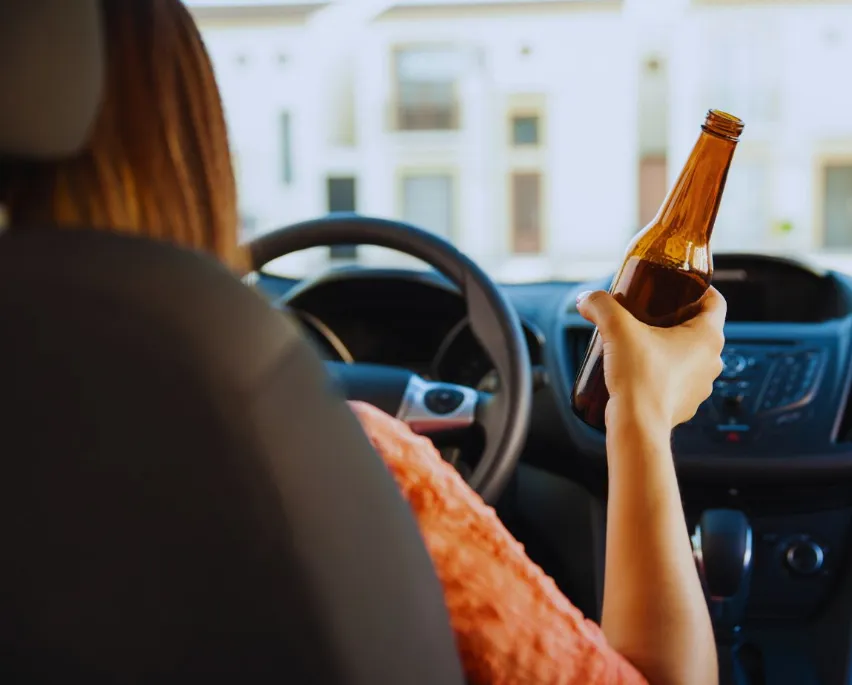
Many people in New York misunderstand DUI laws, especially when they involve accidents on private property. It is a common misconception that being on private property, such as a shopping mall parking lot or driveway, protects them from DUI charges. However, this is not the case. Driving while under the influence is illegal, even when you are on private property.
New York’s Vehicle and Traffic Law clearly states that DUI laws apply not only on public roads but also on private roads open to traffic and parking lots. If you are found driving while under the influence on private property, you could still face charges. The law considers a “parking lot” to include areas of private property if they can hold four or more vehicles.
If you are arrested for DUI on private property, it is important to seek legal assistance from a criminal defense attorney immediately. The average US citizen is not aware of every law, and it is easy to make mistakes. To secure your future and improve your chances of success, consult with a legal professional today.
DUI laws on private property in New York
DUI laws in New York are not limited to public highways. They apply to private properties as well. In New York, the term operation means more than just driving. Even if you turn the vehicle on and it is not in motion, it would count as an operation.
This applies even when the vehicle is on private property. For example, you can be charged for DUI if you are found asleep in a running vehicle. However, there must be evidence of your intention to drive.
New York Vehicle and Traffic Law applies to various locations, including public highways, private roads open to vehicle traffic, and parking lots. However, it is important to know that this law does not apply to homes with one or two families.
There are some case laws where people have been charged with DUIs on private property. In a famous case, People v. Kirchner (2019), the defendant was booked under DUI after he was found intoxicated near a lawn mower in a private park. However, the court dismissed the charge as the prosecution had no proof that the defendant was operating the lawn mower in an intoxicated state.
Examples of private property DUI situations
Many people believe that residential highways are a safe spot and they cannot be charged for DUI. However, this is misleading. New York state law clearly defines that driving while intoxicated within one’s driveway can still lead to DUI.
Even if the police have observed you acting strangely, such as stumbling or slurring your speech while getting into your car, they can arrest you for DUI. This is possible even if you have not started driving yet.
Do not think that private parking lots are safe. If you are found intoxicated in a parking lot, you can be charged with DUI. The New York state laws clearly define parking lots as being open to public access and as areas where you can be booked for DUI. For example, if you are found driving under the influence in a store parking lot, the police can quickly arrest you.
Many gates and private roads are maintained by homeowners’ associations rather than government entities. However, they may still fall under DUI regulations. New York law does not exclude these private roads from DUIs, which means that individuals can be charged while driving under the influence within these areas.
For example, if you drink at a neighbor’s gathering and decide to go home within the community, the police can arrest you if they suspect you are impaired.
Protect yourself from being charged!
If you have been charged for driving while intoxicated on private property, you are not alone. There are many who are unaware of such laws. Hire a criminal defense attorney today to protect your rights!

