

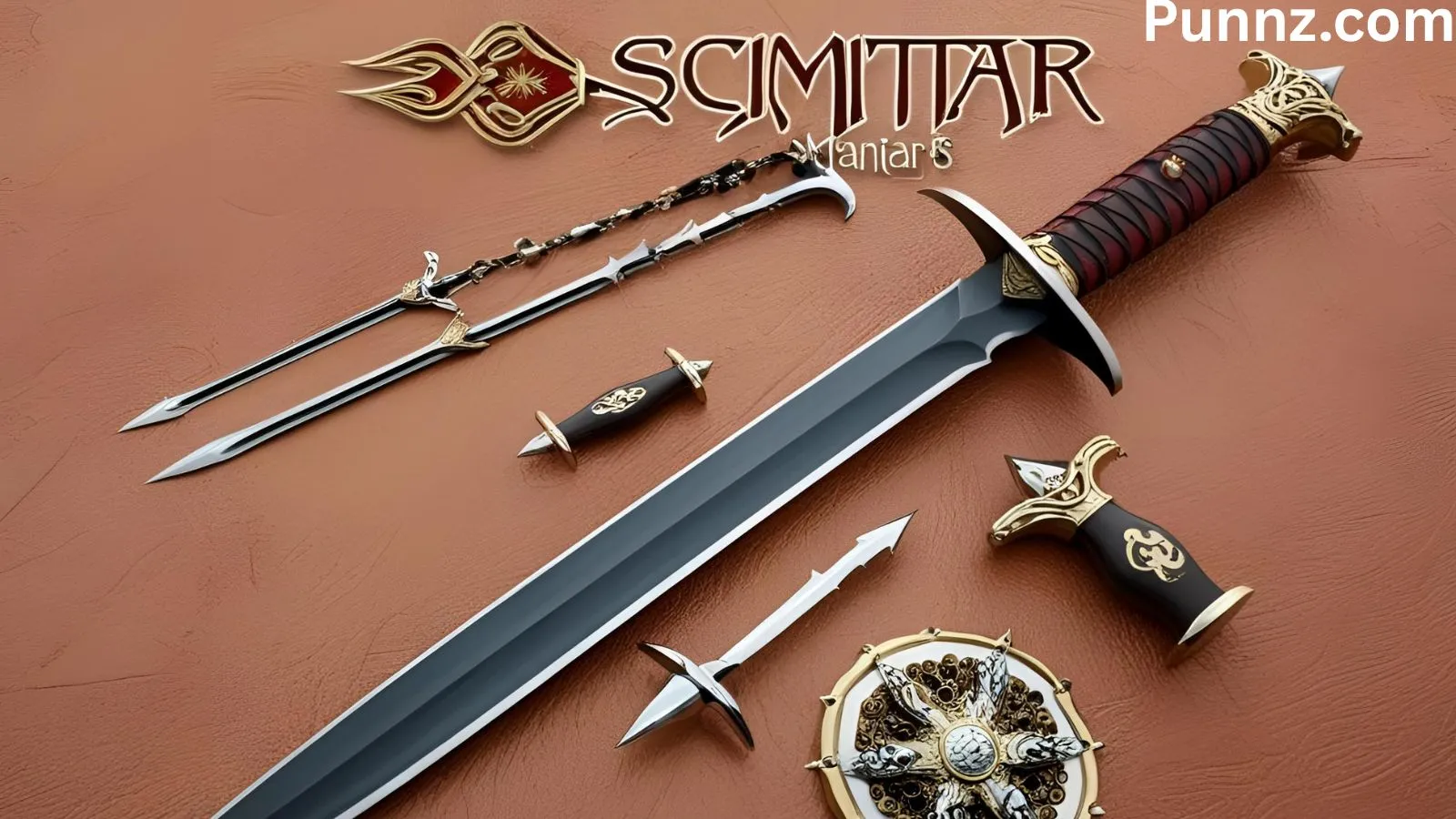
The English language is rich with fascinating words, each carrying its own unique history and depth. One such word is “scimitar,” a term often associated with specific historical periods, cultures, and, most notably, weaponry.
If you’ve ever wondered about the meaning of “scimitar,” its significance, and how to incorporate it into your vocabulary, you’re in the right place.
This article will provide an in-depth look at the meaning of “scimitar,” its origins, and various ways it can be used in both professional and casual contexts.
What is a Scimitar?
A scimitar is a type of sword with a distinctive curved blade, known for its sharpness and effective use in close combat. Historically, this weapon has been associated with Middle Eastern, Persian, and South Asian cultures, where it was commonly used by warriors, soldiers, and rulers. The word “scimitar” itself comes from the French word cimeterre, which in turn derives from the Persian word shamshir. The unique curve of the scimitar makes it ideal for slicing and delivering swift, powerful strikes, a design choice rooted in the cultures where it was first developed.
While the scimitar is often considered an iconic weapon in historical films and literature, it also holds symbolic significance, representing strength, valor, and the prowess of the individuals who wielded it.
Origins of the Scimitar
The scimitar’s design dates back to ancient times, particularly to regions such as Persia (modern-day Iran) and the Middle East.
The curved blade allowed soldiers to efficiently fight on horseback, making it an ideal weapon for mounted combat. Over time, the scimitar became a symbol of warrior culture in these regions, admired for its cutting ability and the skill required to use it effectively.
The sword’s importance spread beyond its practical use, eventually becoming a symbol of military might and power, often appearing in the coats of arms and insignias of rulers and military leaders.
Different Ways to Use the Term “Scimitar” in Context
When using the word “scimitar” in conversation or writing, it’s essential to understand the tone and context in which it is used. Here are several examples of how the word “scimitar” might appear in various situations:
1. Formal Writing and Historical Context
In a historical context, the word “scimitar” is often used to describe ancient weaponry. For example:
“The battle was fought with fierce weapons, with many soldiers wielding scimitars, their curved blades gleaming in the sunlight.”
In formal writing, the word often emphasizes the historical and cultural significance of the weapon.
2. Describing Symbolic Uses
The word “scimitar” can also be used symbolically in literature and art. For instance:
“The scimitar in the painting represents the hero’s courage and the legacy of his victories.”
In this context, the scimitar isn’t a literal weapon, but rather a symbol of strength or honor.
3. Casual or Informal Conversations
In informal settings, the term “scimitar” might be used playfully or metaphorically to describe something sharp or cutting, not necessarily a weapon. For example:
“I need a good scimitar to slice through this tough meat—nothing else works!”
Here, the scimitar is used metaphorically, indicating something sharp and effective.
4. In Pop Culture References
The scimitar is also commonly used in popular culture, especially in fantasy settings, often representing or powerful weapon. An example might be:
“The hero of the story wielded a scimitar, which had been passed down through generations of warriors.”
5. Symbol of Strength and Power
In many cases, the word “scimitar” can be employed to describe a person’s qualities metaphorically, suggesting strength, precision, or ability to cut through challenges:
“With the precision of a scimitar, she faced every challenge that came her way.”
6. Describing a Weapon in Fiction or Mythology
In fantasy literature or mythology, scimitars often appear as weapons of choice for mythical or legendary figures. For instance:
“The scimitar gleamed under the moonlight, its edge as sharp as the resolve of its bearer.”
7. Use in Fantasy or Historical Games
In video games or tabletop role-playing games (RPGs), the word “scimitar” is often used to describe a weapon type with specific attributes:
“In the game, the scimitar offers faster attack speed compared to a longsword, making it a popular choice for quick strikes.”
8. In a Metaphorical Sense
Sometimes, the term “scimitar” is used metaphorically to convey something that is quick, sharp, or impactful:
“Her words were like a scimitar, cutting straight to the heart of the matter.”
9. In Art and Design
Scimitars, due to their elegant curvature and rich history, are often depicted in art or used as design elements. For example:
“The ornate scimitar designs carved into the wood added a touch of Middle Eastern artistry to the room.”
10. In a Cultural or Educational Setting
In academic or cultural discussions, “scimitar” may be used when discussing the military or cultural history of various civilizations. For example:
“The scimitar played a significant role in the history of warfare in the Middle East during the medieval period.”
11. In a Mythical or Legendary Context
The scimitar is sometimes referenced in legendary tales, such as in stories of heroes and gods. For example:
“The scimitar was said to be enchanted, able to cut through anything with its magical edge.”
Conclusion
In conclusion, the scimitar is a word that carries with it a wealth of history, symbolism, and cultural significance.
From its use as a weapon in ancient times to its representation in art, literature, and popular culture, the scimitar remains a powerful symbol of strength and valor.
By understanding the various ways to use the term in different contexts—whether formal, casual, or symbolic—you can enrich your vocabulary and express ideas with greater precision.

