

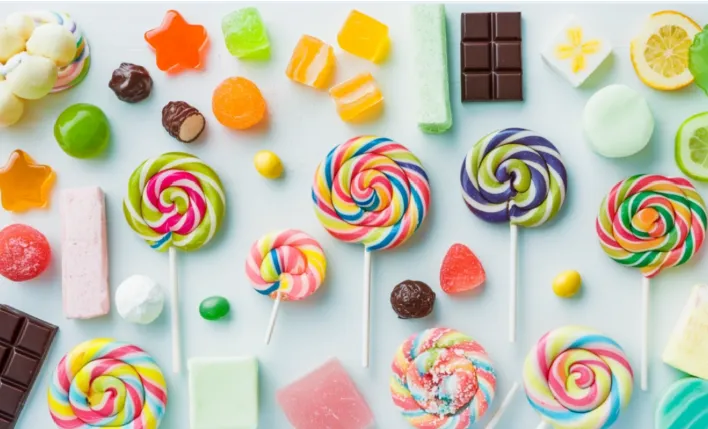
The candy aisle has undergone a quiet revolution. Where sugar once reigned supreme, a new generation of treats has emerged that delivers sweetness without the metabolic chaos. Sugar-free lollipops represent more than just another diet product—they’re a legitimate solution for anyone who wants to enjoy candy without the blood sugar rollercoaster, dental damage, or caloric guilt that traditionally comes with it.
These aren’t the chalky, artificial-tasting substitutes your dentist handed out in the ’90s. Modern sugar-free lollipops use sophisticated sweeteners that replicate the taste and mouthfeel of traditional candy while offering genuine health advantages. And yes, you can enjoy them without feeling like you’re making some noble sacrifice in the name of wellness.
How Lollipops Went From Pure Sugar to Actually Sensible
The lollipop’s origins trace back thousands of years, when ancient civilizations discovered that coating fruit or nuts in honey and mounting them on sticks created a portable, mess-free treat. The modern lollipop as we know it emerged in the early 20th century, when confectioners began mass-producing hard candies on sticks using refined sugar.
For decades, that formula remained unchanged: boil sugar, add flavoring, pour into molds, insert stick. The result was delicious but nutritionally problematic. Excessive sugar consumption contributes to obesity, type 2 diabetes, and cardiovascular disease.
The shift toward sugar-free alternatives accelerated in the 1990s and 2000s as consumers became more health-conscious and food scientists developed better-tasting sugar substitutes. Today’s sugar-free lollipops use sweeteners like xylitol, erythritol, and stevia that provide sweetness without the metabolic consequences of sucrose.
Why Sugar-Free Suckers Actually Make Sense
Choosing sugar-free lollipops over traditional versions isn’t just about cutting calories—though that’s certainly part of the appeal. The benefits extend across multiple dimensions of health:
- Metabolic Stability: Sugar-free options don’t trigger the insulin spike-and-crash cycle that leaves you craving more sweets an hour later.
- Dental Protection: Unlike sugar, which feeds cavity-causing bacteria, many sugar substitutes actively inhibit bacterial growth in the mouth.
- Caloric Efficiency: Most sugar-free lollipops contain 60-80% fewer calories than their sugared counterparts, making them a reasonable indulgence even when watching your weight.
- Diabetic-Friendly: The low glycemic impact means people with diabetes can enjoy them without significant blood glucose fluctuations.
- Reduced Hyperactivity Concerns: Parents dealing with sugar-sensitive children can offer treats without worrying about the behavioral aftermath that sometimes follows sugar consumption.
A single regular lollipop can contain 2-3 teaspoons of sugar—nearly half a woman’s daily limit. Sugar-free versions eliminate that concern entirely.
Xylitol: The Sweetener That Actually Improves Your Mouth
Among sugar substitutes, xylitol stands out for its unique properties. This naturally occurring sugar alcohol appears in small amounts in many fruits and vegetables, but commercial xylitol is typically extracted from birch bark or corn cobs.
What makes xylitol particularly interesting for lollipops:
- Authentic Sweetness: Xylitol tastes remarkably similar to sugar, without the bitter or metallic aftertaste that plagues some artificial sweeteners.
- Active Dental Benefits: Rather than simply being “less bad” for teeth, xylitol actively reduces cavity-causing bacteria. Studies show it can decrease Streptococcus mutans populations by up to 75%.
- Minimal Glycemic Impact: With a glycemic index of just 7 (compared to sugar’s 60-70), xylitol barely affects blood glucose levels.
- Comparable Texture: Xylitol creates the same crystalline structure as sugar, giving lollipops the proper hard-candy texture and slow-dissolve experience.
Xylitol consumption can reduce dental caries by 30-85%, depending on dosage and frequency. The mechanism is straightforward: oral bacteria can’t metabolize xylitol for energy, so regular exposure essentially starves them.
Health-conscious consumers can access xylitol-sweetened lollipops from Dr. John’s Healthy Sweets, Zollipops, or Ice Chips Candy for unique dental health advantages.
The Bottom Line on Smarter Sweets
Sugar-free lollipops represent a rare win-win in the nutrition world: a treat that’s genuinely enjoyable and legitimately better for you than the alternative. They’re not a superfood or miracle cure, but they are a smart substitution that eliminates several genuine health concerns without requiring you to give up something you enjoy.
Whether you’re managing diabetes, trying to reduce sugar intake, concerned about dental health, or simply looking for a snack that won’t derail your afternoon energy levels, sugar-free lollipops deliver. They prove that health-conscious choices don’t have to feel like compromises—sometimes they’re just better versions of what we already love.
The fact that we can now enjoy candy that actively fights cavities rather than causing them feels like living in the future. A slightly absurd, surprisingly pleasant future where treats don’t come with trade-offs. And that’s worth celebrating, preferably with a lollipop that won’t rot your teeth.

