

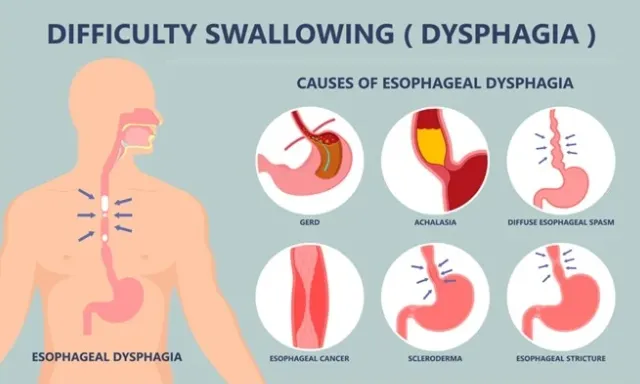
Every person with dysphagia must be concerned about aspirating their food. When food or liquid is accidentally ingested into the lungs and bronchi, it may lead to pneumonia and mediastinitis. This puts a person at a higher risk of death. Dysphasia diets may be used to reduce the risk of aspiration.
Reducing the Risk of Aspiration
A person may use several techniques to reduce the risk of aspiration. They may eat smaller meals throughout the day and slow the rate at which they consume their food and beverages. Doing so minimizes the load on the muscles responsible for swallowing.
Altering the consistency of foods can also make it easier to swallow. Many individuals rely on SimplyThick, a commercial thickener, to modify the consistency of the foods and beverages they consume. In addition, they avoid eating any rough or dry foods that increase the risk of aspiration.
Why is a Modified Diet Important for Individuals with Dysphagia?
This condition is commonly seen in individuals struggling with neurological diseases. The muscles and nerves responsible for the swallowing mechanism do not work correctly. Dysphagia diets help individuals swallow food and beverages safely by modifying the texture of these items. What are the various levels of the dysphagia diet?
Level 1
A level one dysphagia diet consists of foods with a pureed consistency. Foods are easy to chew and will not strain the muscles of the mouth. Individuals may eat mashed vegetables, meat, or fish. Fruit puree is often recommended, and liquid or semi-liquid dishes are appropriate. Individuals must also pay attention to the consistency of their beverages and choose those with a nectar-like texture for ease of swallowing.
Level 2
As this condition progresses, a person may find that they need a level 2 diet, which consists of foods with a mechanically altered consistency. Swallowing is more challenging, so they must pay careful attention to the consistency of the foods and beverages they consume. All foods consumed should have a smooth, even consistency with no pieces. These foods are easier to swallow and will not stop as they make their way through the esophagus. All foods and beverages should be thick and hold well together to minimize the risk of aspiration. Gel-like foods and other foods with a uniform consistency are best suited for individuals following a level 2 diet. They should avoid any sticky or slippery foods to ensure they can swallow properly.
Level 3
As this condition progresses, many people find they need a level 3 dysphagia diet. Their swallowing function is significantly impaired, and they need to avoid all foods with rough textures. The bumpy texture can cause the food to become stuck and block the esophagus. Boiled or steamed vegetables should be pureed to a smooth texture, and individuals following a level 3 diet often benefit from soft foods that have been mashed or pureed to a smooth consistency. Ensure these fruits have no large pieces before allowing the individual to consume them. Meat products should be cooked until tender and smashed into a puree for easy chewing.
Preparing Foods for a Person with Dysphagia
Caregivers want to ensure they are preparing foods and beverages correctly for an individual with dysphasia. All food should be soft and have a smooth texture. A mixer or food processor can help ensure it is. Remove any pieces from the dish so they don’t interfere with the standard swallowing mechanism.
All meals should be small and distributed throughout the day to minimize the strain on the swallowing muscles. Once foods have been pureed, nutritious ingredients may be added to make the food smoother while enriching the flavor.
Caregivers must ensure individuals with dysphagia follow their recommended diet precisely to reduce the risk of issues. Consult with the individual’s medical team, as they may have additional recommendations regarding healthy meal times. Working together, a family can ensure their loved one has healthy, nutritious meals that they can enjoy fully.

