

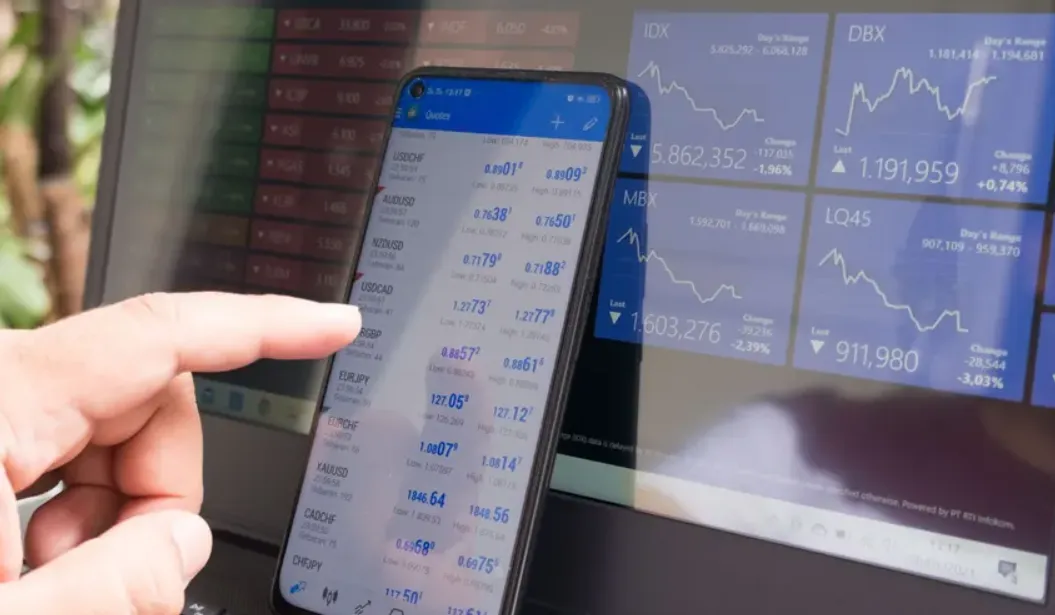
The financial landscape in India is evolving rapidly, with a growing number of tech-savvy investors looking beyond traditional stocks and mutual funds. Contract for Difference (CFD) trading has emerged as a popular gateway for Indian traders to participate in global markets. By trading CFDs, users can speculate on the price movements of international assets—like US tech stocks, global oil benchmarks, and major currency pairs—without needing to physically own them.
What Is CFD Trading and How Does It Work?
A CFD (Contract for Difference) is a financial derivative that represents an agreement between a trader and a broker to exchange the difference in the price of an asset from the time the contract is opened to when it is closed.
- Price Speculation: You can profit from both rising markets (going “long”) and falling markets (going “short”).
- Leverage and Margin: CFDs are traded on leverage, meaning you only need to deposit a small percentage of the total trade value (margin) to control a much larger position.
- No Ownership: Unlike buying shares in a company, when you trade a CFD, you do not own the underlying asset. You are simply trading the price movement.
Forex and Commodities Trading via CFDs
For Indian traders, CFDs provide a seamless way to access high-liquidity global markets that were previously difficult to reach.
- Forex (Foreign Exchange): Trade major currency pairs like EUR/USD, GBP/USD, and JPY/USD. The 24/5 nature of the Forex market aligns well with various Indian time zones.
- Commodities: CFDs allow for easy speculation on “hard” commodities like Gold (XAU/USD) and Silver, as well as energy markets like Brent and WTI Crude Oil. These are particularly popular in India due to the country’s high domestic demand for gold and energy sensitivity.
How to Start CFD Trading in India
Getting started with a global CFD broker in India is a streamlined digital process. Here is the step-by-step path to your first trade:
- Account Registration: Visit the broker’s website or download their app. Provide basic details like your name, email, and phone number to create a profile.
- Verification Process (KYC): To comply with international financial standards, you must verify your identity. This typically involves uploading a digital copy of your Aadhaar card, PAN card, or Passport, along with proof of residence.
- Depositing Funds: Once verified, fund your account using supported payment methods. Many platforms now offer localized options for Indian users, including UPI, Net Banking, or international credit/debit cards.
- Accessing Trading Platforms: Most brokers provide access to industry-standard platforms like MetaTrader 4 (MT4), MetaTrader 5 (MT5), or proprietary web-based interfaces where you can view real-time charts and execute trades.
Key Features of CFD Trading Platforms
When choosing a platform, Indian traders should look for specific technical benchmarks:
- Execution Speed: High-speed execution ensures you get the price you see without “slippage.”
- Tight Spreads: The spread is the difference between the buy and sell price; lower spreads mean lower trading costs.
- Available Instruments: Ensure the platform offers a diverse range of Forex pairs, indices, and commodities.
- Usability: A clean, mobile-friendly interface is essential for monitoring the fast-moving global markets on the go.
Benefits of Trading CFDs for Indian Traders
- Global Market Access: Trade international assets that are not listed on local Indian exchanges (NSE/BSE).
- Flexibility: The ability to go “short” allows traders to hedge their portfolios or profit during market downturns.
- Low Entry Barriers: With fractional trading and leverage, you can start with a relatively small initial capital compared to traditional institutional investing.
Risks and Considerations
While the rewards can be significant, CFD trading carries substantial risk:
- Leverage Risk: While leverage magnifies profits, it also magnifies losses. A small market movement against your position can result in a loss of your initial deposit.
- Market Volatility: Global events, such as interest rate changes or geopolitical tensions, can cause rapid price swings.
- Risk Management: Successful traders use tools like Stop-Loss orders to automatically close losing trades at a predetermined price.
Conclusion
CFD trading offers a modern, flexible way for Indian investors to diversify their portfolios with global Forex and commodities. By choosing a reliable platform, completing the verification process, and practicing disciplined risk management, you can begin navigating the international financial markets from your laptop or smartphone.

