

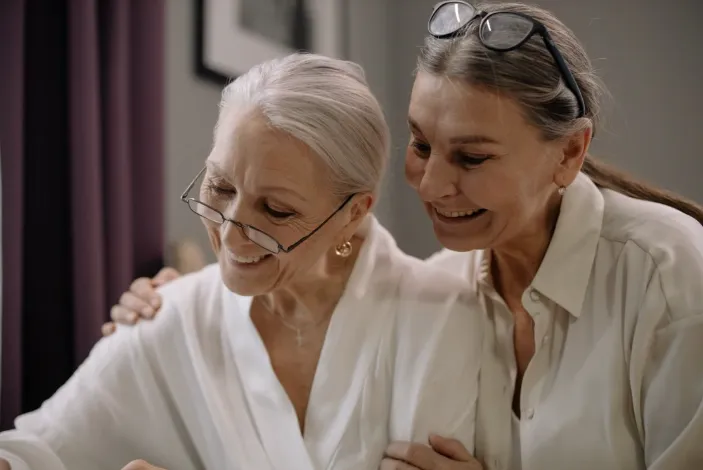
As people move into their later years, maintaining physical health, mental wellness, and meaningful social connections becomes increasingly important. Independent living communities are designed to support these priorities by creating environments where healthy habits are easier to maintain. Through wellness-focused amenities, engaging programs, nutritious dining, and opportunities for social interaction, these communities help older adults enjoy a lifestyle centered on choice, purpose, and overall well-being.
Purposefully Designed Spaces That Encourage Movement
The physical environment plays an important role in supporting wellness. Independent living communities are often designed to make movement a natural part of everyday life. Walking paths, fitness centers, community gardens, and inviting outdoor spaces encourage residents to spend time outdoors and remain physically active.
Having these amenities located within the community removes many common barriers to exercise, such as long travel times or concerns about accessibility. Residents can enjoy a morning walk, participate in a fitness class, or spend time outdoors with friends without needing to leave the community.
Thoughtfully designed apartments and common spaces also support comfort and accessibility, helping residents move through their daily routines with confidence.
Structured Fitness and Wellness Programs
Many independent living communities offer wellness programs specifically developed for older adults. These programs often include options for various fitness levels and interests, helping residents find activities that align with their personal goals.
Common wellness offerings may include:
- Yoga classes
- Water aerobics
- Strength and balance training
- Walking groups
- Stretching programs
- Tai chi sessions
- Wellness education seminars
These programs not only support physical health but also make exercise more enjoyable through group participation. Joining a class with neighbors can provide motivation, encouragement, and opportunities to build friendships while pursuing wellness goals.
Social Connection as an Important Part of Well-Being
Strong social connections are a key component of healthy aging. Independent living communities create opportunities for residents to engage with others through shared experiences and daily interactions.
For those exploring Active Independent Living in Hockessin, DE, community spaces, shared dining venues, life enrichment programs, and group outings can help foster meaningful relationships and a strong sense of belonging.
Regular social interaction can contribute to emotional well-being, encourage participation in community life, and help residents remain connected to others who share similar interests and experiences. Having opportunities to build friendships and participate in community events often enhances overall quality of life.
Nutrition and Balanced Dining Experiences
Good nutrition plays a significant role in supporting health and wellness. Many independent living communities provide dining programs that focus on both nutrition and enjoyment. Residents often have access to chef-prepared meals that incorporate fresh ingredients and accommodate a variety of dietary preferences and needs.
Shared dining experiences also create valuable opportunities for social interaction. Meals become more than a daily necessity; they become a time for conversation, connection, and community engagement.
Some communities also offer nutrition education, wellness presentations, and opportunities for residents to learn more about healthy eating habits that support long-term well-being.
Mental Engagement and Lifelong Learning
Healthy aging involves keeping the mind engaged as well as maintaining physical wellness. Independent living communities frequently offer educational and enrichment opportunities designed to encourage learning and creativity.
These experiences allow residents to continue exploring interests, developing new skills, and engaging with the world around them. Lifelong learning can contribute to a sense of accomplishment, purpose, and personal growth throughout retirement.
Community Support and Preventive Wellness
Independent living communities often support wellness in ways that may not be immediately obvious. The presence of neighbors, community team members, and regularly scheduled programs helps create a sense of routine and connection.
Many communities also offer wellness screenings, educational resources, and access to healthcare partnerships that encourage proactive health management. Regular interaction with others can make it easier to notice changes in wellness and seek assistance when needed.
This supportive environment can help residents stay engaged and maintain healthy habits while preserving the freedom to make their own choices and decisions.
Conclusion
Independent living communities provide more than comfortable accommodations. They create environments that support wellness through physical activity, meaningful social connections, nutritious dining, lifelong learning, and community engagement. By making healthy choices more accessible and enjoyable, these communities help older adults maintain a high quality of life while pursuing their interests and personal goals.
For individuals considering independent living, evaluating a community’s wellness programs, social opportunities, dining experiences, and overall culture can provide valuable insight into how well it supports a healthy and fulfilling lifestyle. The right community can help residents remain engaged, connected, and confident while enjoying each day to the fullest.

