

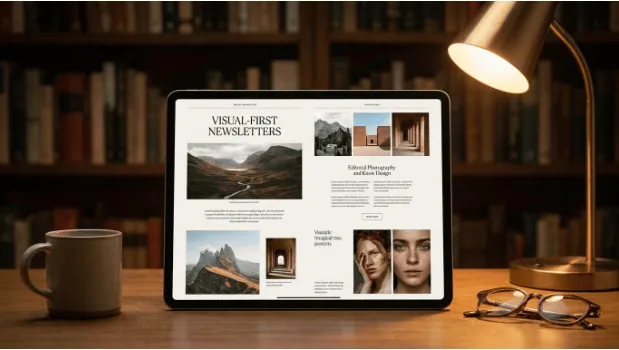
The newsletter economy is experiencing a massive shift in how value is delivered to subscribers. Writers are no longer just competing for attention against other emails. They are competing against TikTok, Instagram, and high-budget digital magazines.
The core challenge for most newsletter creators is the visual gap. While the writing might be world-class, the imagery often falls flat. Stock photos are easily recognized and frequently ignored by savvy readers.
Using generic imagery can actually damage brand authority. If a subscriber sees the same stock photo in three different newsletters, the perceived value of the content drops. This is why creators are turning toward custom visual solutions to maintain a premium feel.
The Problem with Traditional Visual Sourcing
For years, creators had two choices for newsletter visuals. They could spend hours searching through free stock sites or hire a dedicated graphic designer. Neither option scales well for a weekly or daily publication schedule.
Stock photography often lacks the specific context needed for niche topics. If you are writing about a highly technical subject, finding a relevant image is nearly impossible. This leads to a disconnect between the text and the visual experience.
Furthermore, hiring a designer for every single issue is cost-prohibitive for most independent creators. The turnaround time also creates bottlenecks in the production cycle. When news breaks, you need high-quality visuals immediately, not in three days.
The transition from generic templates to a custom ai image generator has enabled small teams to compete with global agencies. This technology allows for the creation of bespoke assets that align perfectly with the written word. It removes the friction of creative production while maintaining a high standard of quality.
How High-Fidelity AI Changes the Landscape
Modern readers are visual-first consumers. Users typically scan newsletters and focus heavily on images and headings before committing to the full text. If the image does not captivate them, they are likely to close the email.
This is where advanced models like Higgsfield Soul and Seedream are redefining what is possible. These tools provide professional aesthetics that go beyond simple filters. They offer a level of cinematic quality that was previously reserved for high-budget studio productions.
Using an ai image generator allows creators to build a consistent visual world. Consistency is the foundation of branding. When your audience sees a specific style of art or photography every week, they begin to associate that quality with your insights.
The ability to generate 4K output means these visuals look crisp on any device. Whether a reader is on a mobile phone or a high-resolution desktop monitor, the clarity remains intact. This technical precision is essential for maintaining a “pro-grade” reputation in a crowded inbox.
Solving the Character Consistency Hurdle
One of the biggest hurdles in professional AI adoption has been the lack of control over characters. In the past, if you wanted to feature the same mascot or persona across multiple issues, the AI would generate a different version every time. This lack of continuity breaks the immersion for the reader.
New specialized workflows now solve this problem through advanced character locking. By using features like Soul ID, creators can ensure that their brand ambassadors look identical across every piece of content. This allows for serialized storytelling within a newsletter format.
- Define a central character or visual anchor for your brand.
- Use professional seeds to lock in facial features and clothing styles.
- Apply these consistent assets across your headers, social previews, and body content.
This level of control turns a simple ai image generator into a comprehensive brand-building engine. It moves the technology away from being a “creative toy” and into the realm of essential marketing infrastructure.
Legibility and Brand-Accurate Text
Another historical pain point for AI art was the inability to render text. Many early models would produce “gibberish” characters that ruined the professional look of an infographic or a header image. For newsletter creators, this was a deal-breaker.
The introduction of engines like Nano Banana Pro has changed the game. These models focus on technical precision and flawless text rendering. This means you can now create custom covers for your newsletter that include the title, date, and specific headlines directly in the image.
- Create custom headers with brand-accurate colors.
- Generate promotional banners for sponsors with legible call-to-action text.
- Design unique infographics that explain complex data points visually.
When you use a high-performance ai image generator, you no longer have to jump between multiple editing tools. The ability to handle text and imagery in one workflow significantly speeds up the production process.
Strategic Integration for Newsletter Growth
To get the most out of these tools, creators should view them as strategic partners. It is not just about making things look “pretty.” It is about driving specific business results like click-through rates and subscriber retention.
For those seeking commercial-grade output, higgsfield offers the precision needed for modern marketing. By using a Virality Predictor, you can even test which visual styles are likely to perform best on social media when you share your newsletter link. This data-driven approach takes the guesswork out of creative direction.
Integrating a professional ai image generator into a weekly schedule saves hours of manual searching. Instead of settling for “good enough,” you can generate forty different variations of an idea in seconds. This allows you to pick the absolute best visual for your lead story.
From Static Images to Cinematic Motion
The future of newsletter visuals is moving toward subtle animation. While full-length videos can be heavy for email clients, short, high-quality GIFs or cinemagraphs are highly effective. They draw the eye and increase the time spent on the page.
Modern platforms are now offering a seamless path from image to video conversion. You can take a high-fidelity image you just generated and turn it into a looping cinematic clip with a single click. This creates a “premium” reading experience that sets your content apart from the sea of plain-text emails.
The seamless transition from image to video within higgsfield allows for richer storytelling. You can showcase a product in motion or create an atmospheric background that reflects the mood of your writing. This is the new standard for digital brand assets.
Actionable Tips for Professional Newsletter Visuals
If you are ready to upgrade your visual strategy, follow these best practices for using AI in your workflow:
- Create a Brand Style Guide: Use specific prompts to define your color palette and lighting style.
- Focus on “Commercial Readiness”: Avoid over-processed AI looks and aim for studio-quality lighting.
- Use Native 4K Output: Ensure your images are high-resolution to avoid pixelation in the inbox.
- Experiment with Text: Use models optimized for typography to create professional headlines.
- Prioritize Consistency: Use character-locking features to build a recognizable visual identity.
Choosing the right AI image generator is now a strategic business decision. It affects how your audience perceives your expertise and how much they trust your brand. In a world of infinite content, the “pro-grade solution” is the one that delivers reliability and scalability.
Conclusion
The democratizing power of AI means that a solo creator can now produce visuals that rival major media houses. By leveraging high-fidelity models and specialized workflows, you can solve the core challenges of visual consistency and production speed.
This is where higgsfield transforms the creative equation. It provides the essential infrastructure for those who require more than just a simple prompt. It offers a professional studio environment where high-fidelity imagery and brand-accurate text coexist perfectly.
As newsletters continue to evolve, those who master these tools will be the ones who capture and keep the audience’s attention. The era of the generic stock photo is over. The era of the professional, AI-driven visual brand has begun.

