

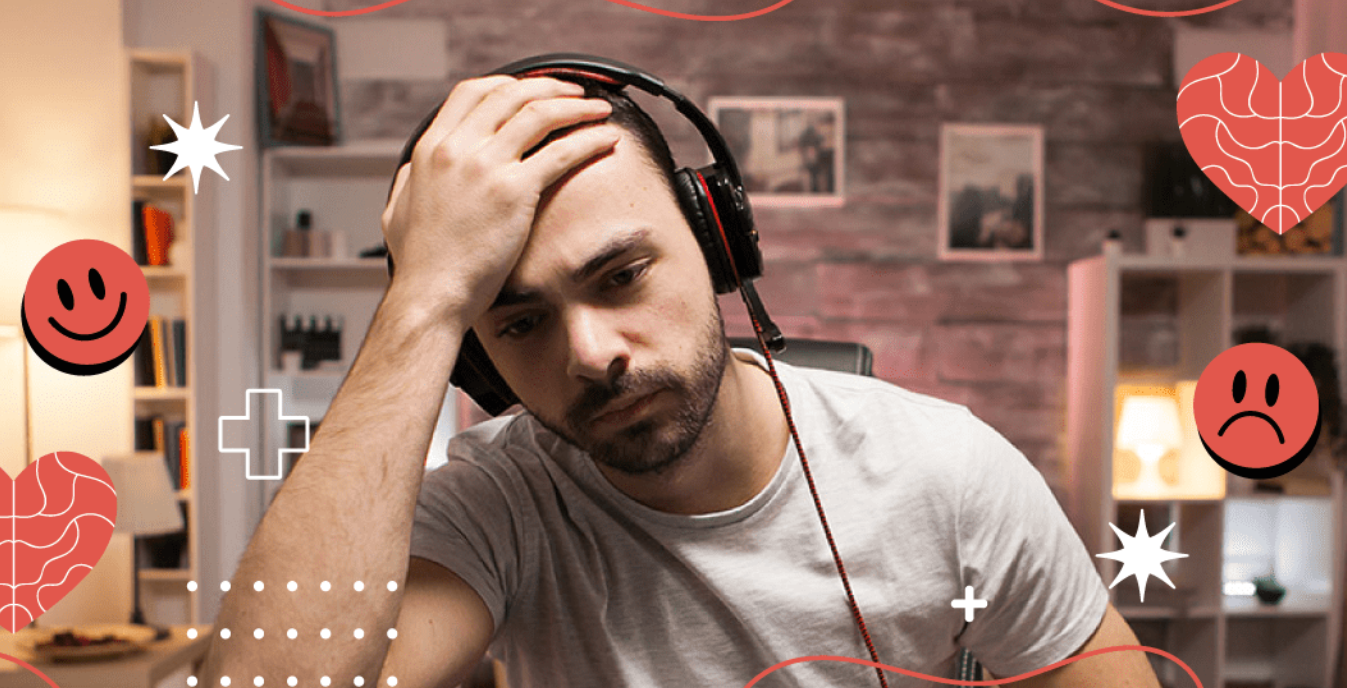
The shift from physical interaction to online สล็อต gaming is one of the most significant cultural changes of the 21st century. This isn’t just about “video games” vs. “board games”; it’s a fundamental restructuring of how human beings seek reward, connection, and status.
Here is a breakdown of why online games are increasingly “taking over” real-life experiences.
1. The Neurochemistry of Instant Gratification
Real life is slow. It takes months to get fit, years to master a career, and decades to build wealth.
- Hyper-Loop Feedback: Online games are engineered to hack the brain’s dopamine system. You kill a monster, you get points. You finish a quest, you get a badge. You win a hand of poker, you get chips. The feedback is immediate.
- Predictable Rewards: In the real world, working hard doesn’t guarantee success. In games, the rules are fixed. If you input the correct commands, you get the reward. This sense of agency and certainty is addictive, especially for people who feel helpless in their daily lives.
2. The “Third Place” Problem
Sociologists talk about the importance of “Third Places” (community centers, bars, parks) that aren’t home or work. As physical third places disappear due to urbanization, cost, and safety concerns, online spaces have replaced them.
- Low-Friction Socializing: Meeting friends in real life requires commuting, dressing up, and spending money. Meeting friends online requires clicking a button.
- Global Connection: You can live in a small town with nothing to do, but log in and be part of a massive guild, clan, or poker table with people from Tokyo, London, and New York.
3. The Economics of Escapism
Entertainment in the real world has become expensive.
- Cost Per Hour: A movie ticket costs $15 for 2 hours ($7.50/hour). A concert costs $100 for 3 hours. A $60 video game or a free-to-play slot app can provide hundreds, even thousands, of hours of entertainment.
- Inflation Proof: As the cost of living rises, “stay-at-home” entertainment becomes the only viable budget option for many. Online games offer a vacation from reality without the cost of a plane ticket.
4. The Gamification of Everything (The Blurring Lines)
The boundary between “game” and “life” is eroding because apps are making real life feel like a game.
- Fitness Apps: Apps like Zombies, Run! or Pokémon GO overlay game mechanics onto physical exercise.
- Learning Apps: Duolingo uses “streaks” and “leaderboards” to make learning a language feel like an RPG.
- Finance: Trading apps like Robinhood use confetti animations and simple UIs to make investing feel like a mobile game, blurring the line between gaming and gambling.
5. The Case of Slots: From Casino Floor to Pocket
Since you previously asked about slots, this is the perfect example of “Online taking over Real Life.”
- Accessibility: To play a slot machine in 1990, you had to travel to Las Vegas or Atlantic City. Today, you have access to 5,000 slots in your pocket.
- Speed: Physical slots are limited by mechanical reels and coin hoppers. Online slots can spin instantly. The “time to reward” is much faster online.
- Privacy: Playing in a public casino carries social stigma or anxiety. Playing on mobile allows for private, anonymous consumption.
6. Identity and Customization
In the real world, you are stuck with your body, your economic status, and your location.
- Reinvention: In online games (and especially in MMORPGs or virtual casinos), you can be anyone. You can be a wealthy high-roller, a powerful warrior, or a social butterfly. The ability to curate your digital avatar is often more appealing than dealing with your physical self.
Summary
Online slots games are taking over because they offer high-dopamine, low-cost, and highly social experiences that are becoming increasingly difficult to find in the physical world. They provide a structured, fair, and rewarding environment that contrasts sharply with the chaos, expense, and slow pace of reality.

